

Top 10 Sinterklaas games: from shoe gifts to Sinterklaas Eve
13 oktober 2026 · Bijgewerkt 5 oktober 2026
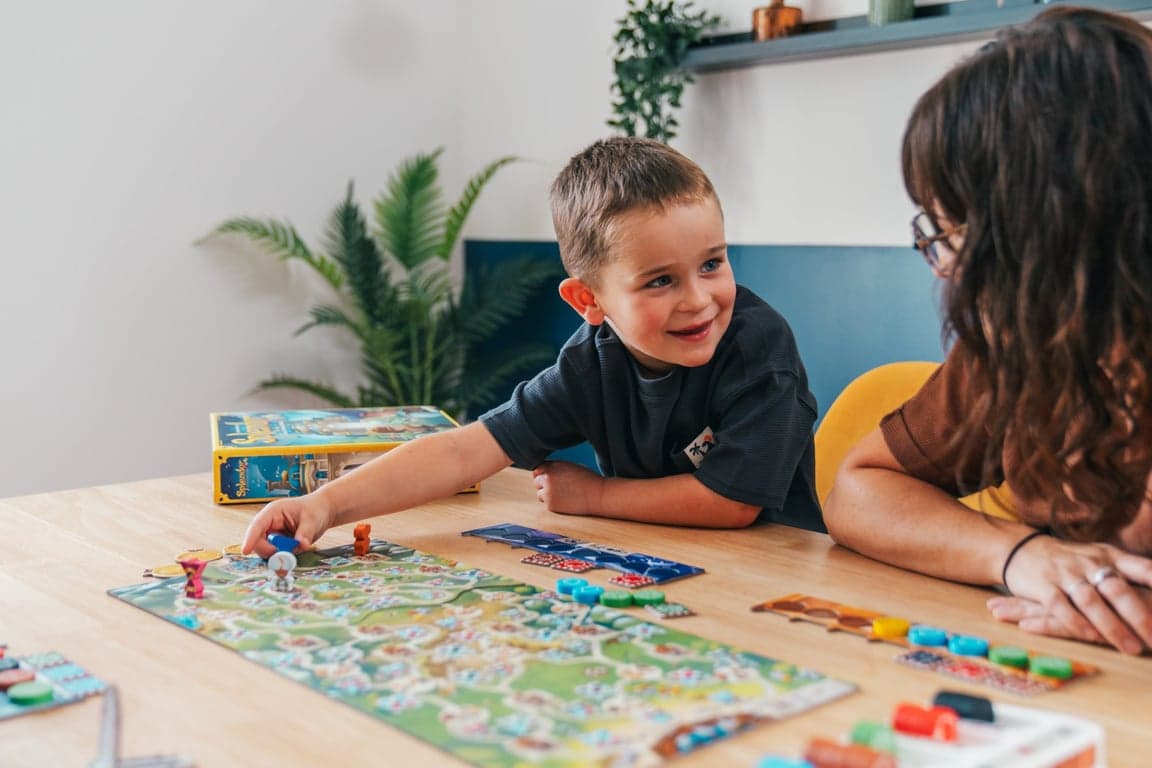
As soon as Sinterklaas arrives in the country, the search begins in many homes. Which Sinterklaas games fit in a shoe, and what do you put on the table once the presents are open? We picked ten, and all of them are on our own shelves. Want to look further? You will find plenty more in our Sinterklaas gifts category.
The list is deliberately broad. There is a card game that makes grandad and an eight-year-old laugh just as hard. You will also find games for young children, two games for two players and one hefty board game for anyone who still wants a long evening after 5 December. Looking for something for one particular moment or one age group? Then also read our tips for games for Sinterklaas Eve and the Sinterklaas games for children.
A good Sinterklaas game suits the people who are going to play it, not just the wrapping paper. That is why each game lists how many players it is for, the minimum age and roughly how long a game takes.
Flip 7: one more card, or stop now?
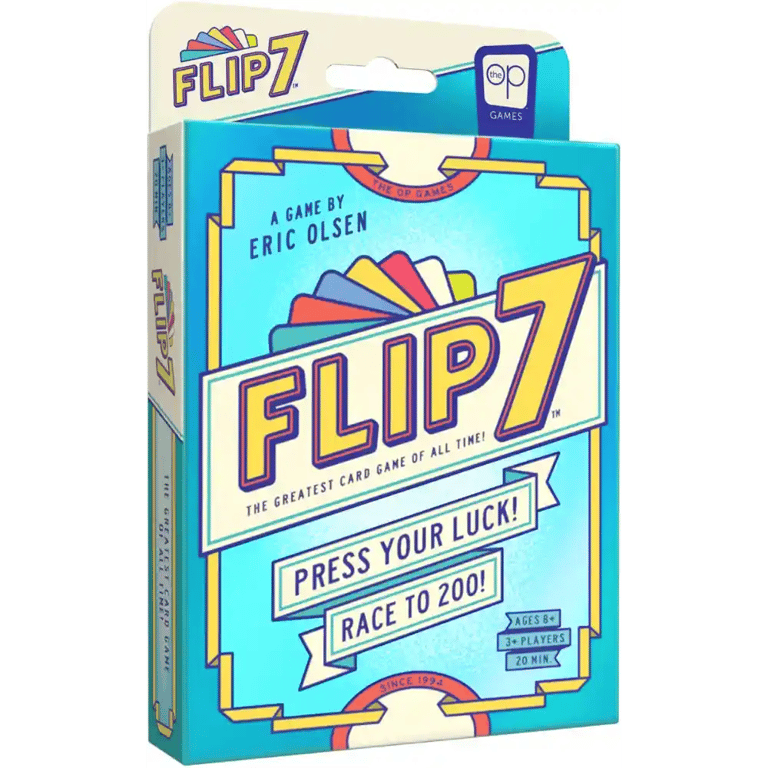
One question, all evening long: do you draw another card or do you stop? In Flip 7 you collect numbers, and you want them all to be different. Draw a number that is already in front of you and you lose your points for that round. Manage to lay down seven different cards and you get a bonus. The first to reach 200 points wins.
You play it with 3 to 12 players, ages 8+. A round is over in no time, and a whole game takes about twenty minutes. That means you really can get everyone to the table, even the uncle who says he is "not really into games". We sell the compact English edition. Apart from a few action cards, such as Freeze and Second Chance, there is hardly any text on the cards, so language is no barrier. The little box fits easily in a shoe.
Arboretum: a tree garden for two
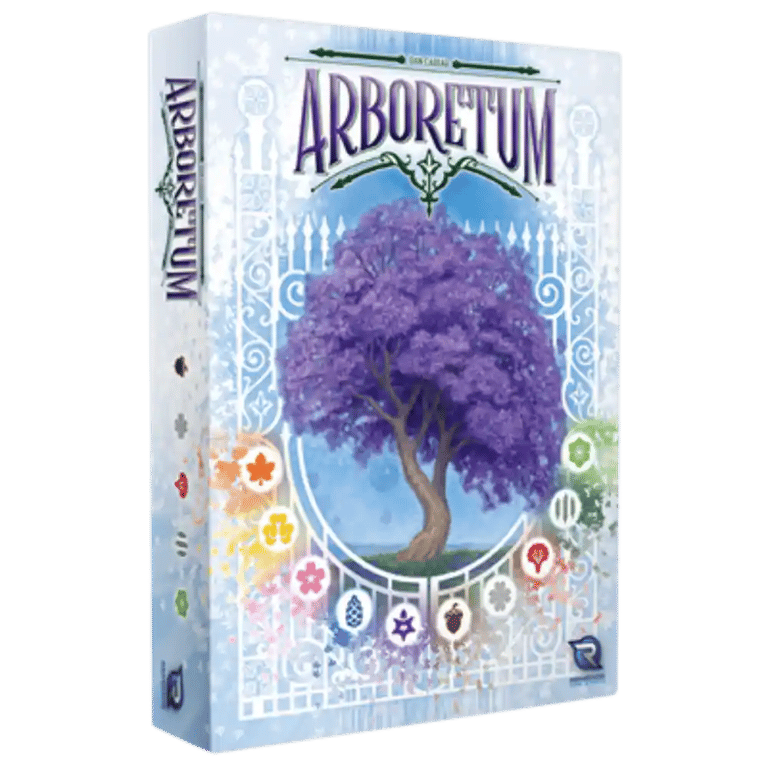
Arboretum looks like a calm card game about trees, and it is, until you notice what your opponent is up to. You lay cards showing tree species in your own garden and turn them into paths that rise in value. The longer the path, the more points. The sting is in the tail: only the player who holds the highest value of a species in hand may score paths of that species. So whatever you lay out nicely, you also have to hold on to.
That means every turn you choose between two things you both want. The box says 8+, and a game takes about half an hour. You play with 2 to 4 players, but with two it becomes a real duel. The cards are in English, although you mostly read numbers and colours. A lovely present for a couple who still want to do something together after Sinterklaas Eve.
Patchwork: a quilt for two
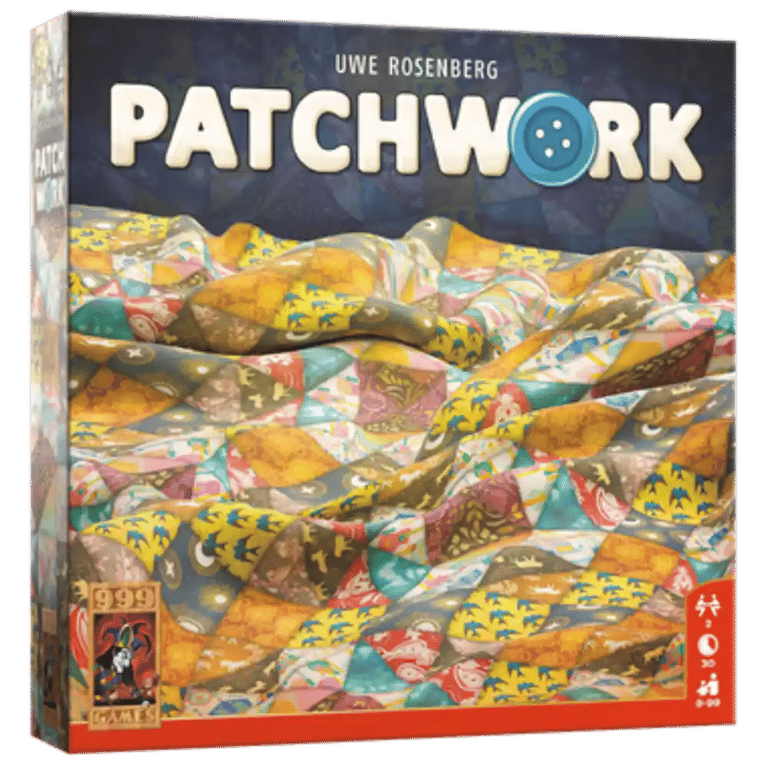
Patchwork looks cosy, with all those bits of fabric and buttons. Beneath that soft exterior lies a nasty little puzzle game. You both build a quilt on your own board. Every patch costs buttons and also time, and whoever is behind on the time track takes the next turn. As a result, your opponent can sometimes act three times in a row while you watch the very patch you wanted being snatched away. At the end your buttons count, and every empty square on your quilt costs you two points.
Uwe Rosenberg created Patchwork in 2014, and it still ranks high among the family games on BoardGameGeek. It is for exactly two players, ages 8+, and a game takes about half an hour. We like to get it out on the evening after Sinterklaas Eve, when the house is full of wrapping paper and things can be a little quieter.
Regenwormen: rolling dice for worms off the grill
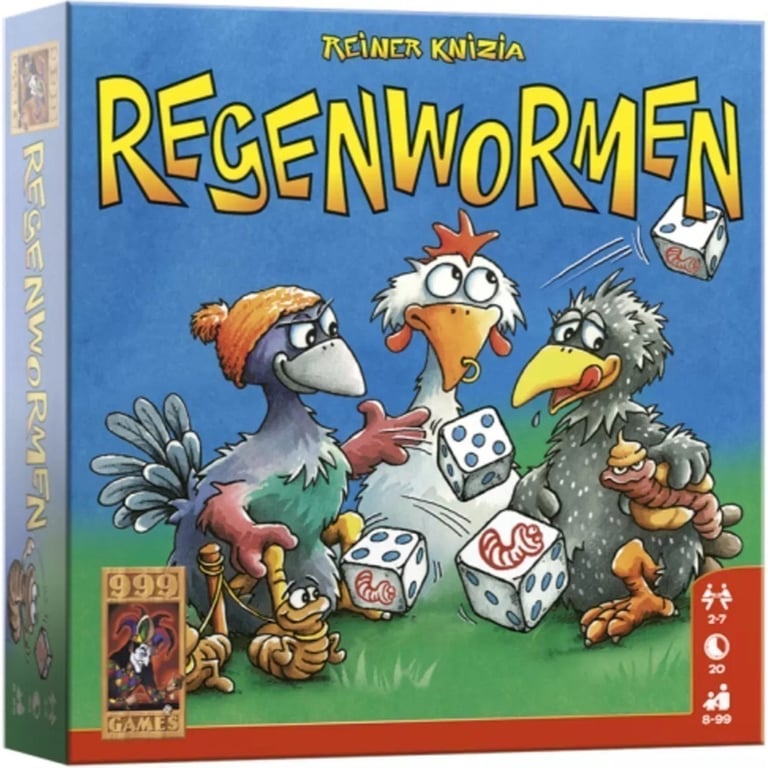
Chickens fighting over grilled worms. It sounds strange, but Regenwormen (published in English as Pickomino) has been a fixture on Dutch kitchen tables for years. You roll the dice, set aside all the dice showing one value and roll the rest again. Stop in time and you take a worm tile from the grill. Push your luck too far and you hand back your top tile, and the highest tile on the grill is turned over. You may also steal a tile from someone else, and that happens more often than you would like.
The game is by Reiner Knizia, one of the best-known game designers in the world. You play it with 2 to 7 players, ages 8+, in about half an hour. Because everyone watches and cheers along with every roll, nobody gets bored while someone else is taking their turn. This little box fits in a shoe too.
HITSTER: what year is this song from?

Not every Sinterklaas game has to revolve around the children. Are the little ones in bed? Then HITSTER can come out. You scan a card with the Hitster app and a song starts playing via Spotify. You guess which year it is from and place the card in the right spot on your timeline. If you are right, you keep the card. The first to have ten cards in their timeline wins. If you also know the artist and the title, that earns you something extra.
The box contains more than 300 hits from the past hundred years. So every generation gets a moment when they suddenly know everything. The box says 16+, you play with 2 to 10 people and a game takes about half an hour. Do expect plenty of loud singing along in between.
Catan Junior: the first step towards Catan
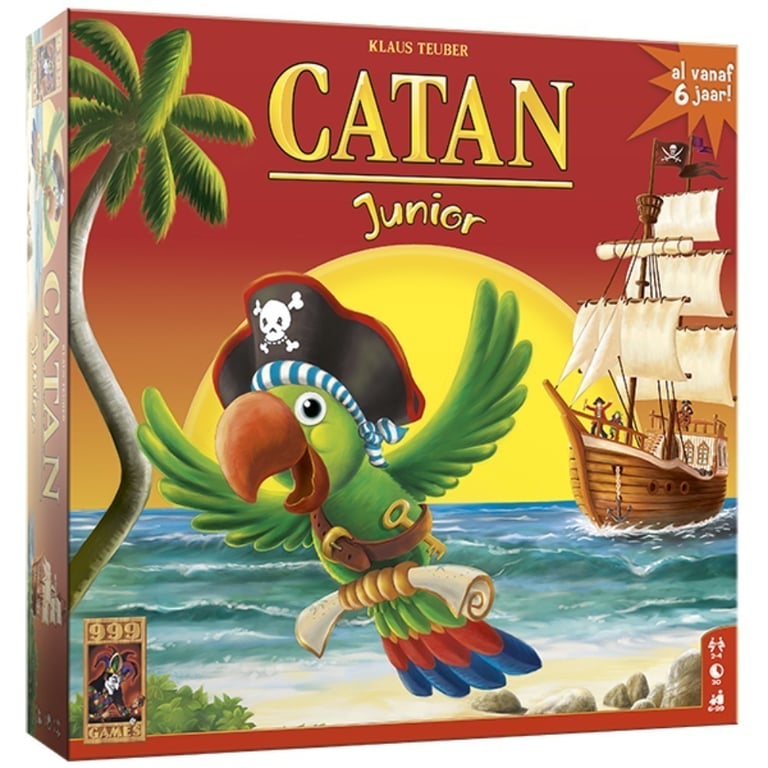
For children who are ready for something more than luck, Catan Junior is a great stepping stone. You roll the die and receive resources if they belong to your spots on the island. Missing something? Then you trade with the other players, the harbours or the market. With those resources you build hideouts and ships, and the first to have built all their hideouts wins. Coco the parrot comes to help you now and then.
Klaus Teuber, the creator of the full-size Catan, made this children's version himself. It is for 2 to 4 players, ages 6+, and takes about half an hour. Parents will not be bored either, because the trading is fun for adults too. Children who have really got the hang of this can move straight on to the full version a few years later.
Halli Galli: who will hit the bell first?
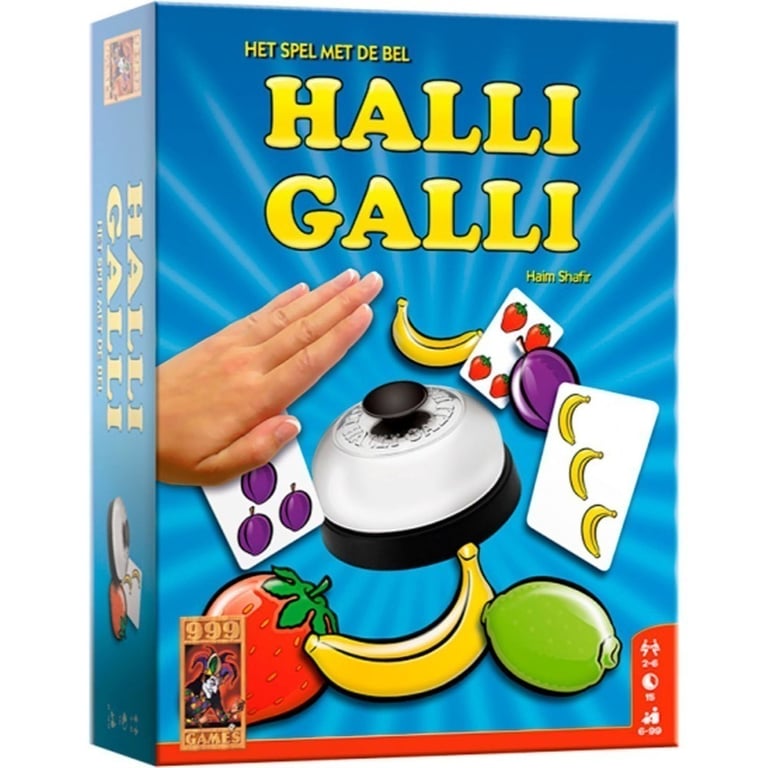
Can your child count to five? Then they can play Halli Galli. Everyone takes turns flipping over a card with fruit on it. As soon as exactly five bananas, strawberries or other fruits of one kind are showing, you slap the bell in the middle as fast as you can. Whoever is first gets all the face-up cards.
Little has changed since Haim Shafir came up with it in 1990, and it does not need to. You play it with 2 to 6 players, ages 6+, and a game is over in a quarter of an hour. There is a good chance the youngest child at the table wins, because quick eyes matter more than experience here. Do bear the bell in mind, though: after an hour of Halli Galli, the whole street knows you are playing.
Beverbende: remembering what you cannot see
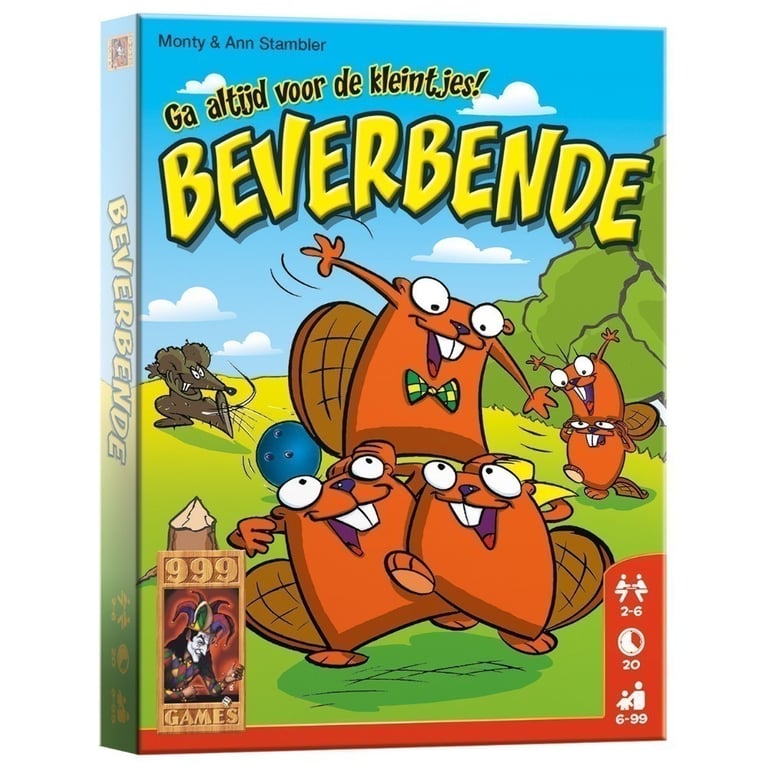
Four cards lie face down in front of you, and you may only look at two of them. Each card shows penalty points, and the aim is to have as few as possible. On your turn you draw a card and perhaps swap it for one of your face-down cards. Some cards give you an action that lets you meddle with the other players' cards too. Whoever has the fewest penalty points at the end wins the round.
Beverbende (published in English as Rat-a-Tat Cat) is a mix of memory and tactics that children aged 6 and up can easily get to grips with. You play it with 2 to 6 players. The box is small, so it is a firm favourite for the shoe. Looking for more small games for those first few weeks? Have a look at our shoe gifts.
Splendor Kids: through the kingdom with your ponies
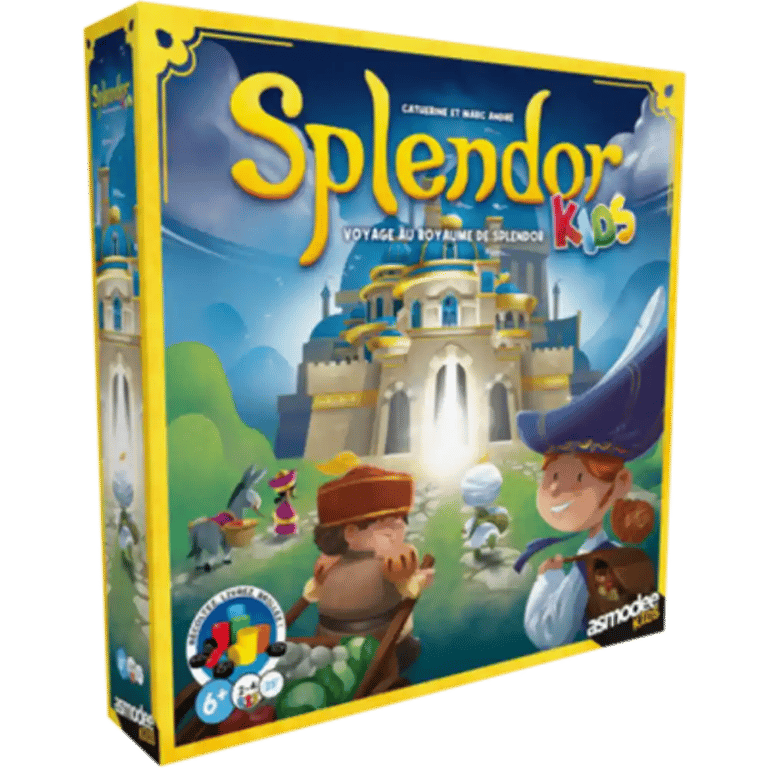
Among adults, Splendor is a well-known collecting game. In 2025 Marc and Catherine André made a version of it for children. The queen needs help: you travel through the kingdom with your ponies and bring food to villages, towns and finally the palace. Along the way you collect resources and meet special inhabitants. Whoever plans a few steps ahead reaches the gate fastest.
The board is made up of separate pieces, so it looks different every game. The components are wooden and the symbols are clear, even for children who cannot read yet. You play with 2 to 4 players, ages 6+, in about half an hour. Once your child knows the board by heart, the extra variant "The Secrets of Splendor" makes the game new again.
Slay the Spire: climbing the tower together
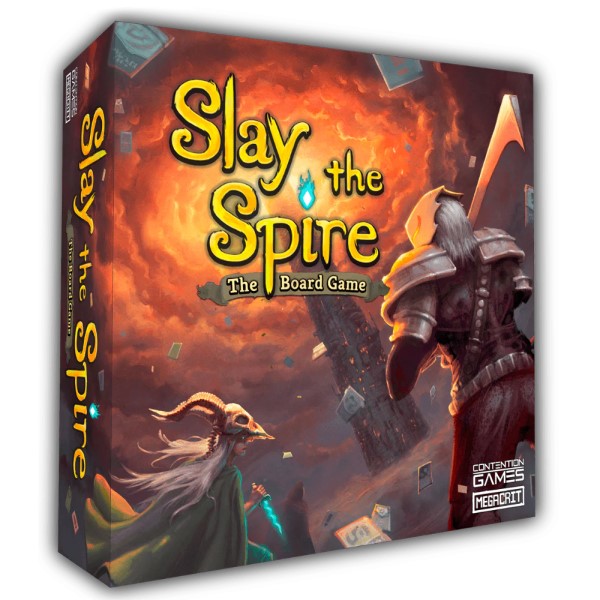
Slay the Spire is the heaviest Sinterklaas game on this list, and that is on purpose. This one is for the dedicated gamer in the family, and certainly for anyone who already knows the video game. Together you climb a tower full of monsters. Everyone plays their own hero with their own deck of cards, and after every fight you choose a new card to make that deck stronger. Who do you attack, and who do you give extra protection this turn? You decide that together, because your lives are limited and healing comes only in small doses.
The box says 12+, and you play with 1 to 4 players. A full climb takes a long time, but you do not have to finish it in one evening: you store your cards in the box and carry on next time from where you left off. The game is in English. You will find more games for when the children are in bed among the Sinterklaas games for adults. And does nobody want to play any more after Sinterklaas Eve? Slay the Spire also works perfectly well solo.